English (UK) Vowel Sounds

Learning to hear and differentiate the vowel sounds from consonant sounds is an important skill in understanding how words are formed. Every word in the English Language has to have a vowel sound in it and every syllable in a word also has to have a vowel sound within it. This knowledge is an important element in developing our phonemic awareness and phonics knowledge as we start to learn how to read and spell words.

There are 20 vowel sounds in the English (UK) Language, usually (in the UK Education System) split into two main categories based on sound quality:

  • ‘Short’ vowel sounds, due to the short duration of the sound being made, the sound cannot be held onto without becoming distorted, such as the /e,(e)/ in me, pea and tree
  • ‘Long’ vowel sounds, due to the length of their pronunciation, these can often be held without distorting their sound, such as the /oi,(ɔI)/ sound found in the words:boy, coin and buoy

Here at Teach Phonics we split the ‘long’ vowel sounds category into ‘long’ vowel sounds and ‘long ‘R’ controlled’ vowel sounds. The ‘long ’R’ controlled’ vowel sounds are so called because of the slight /r,(r)/ sound quality that can be heard in them for example the /or,(ɔː)/ sound found in the words: fork, door, walk and sauce.

The English Phoneme Chart, which uses the unique symbols of the International Phonetic Alphabet (IPA), splits the 20 vowel sounds into two groups based on mouth position:

  • Monophthongs which have one mouth position throughout the sound for example /e,(e)/ in me.
  • Diphthongs, where the mouth position changes, giving a 2 sounds quality to the phoneme for example, /oi,(ɔI)/ inboy.

Why do we ask children to ‘#read out aloud’?

Reading is the ability to first decode the letter sequence of the word (phonics) and then to place meaning to it in relation to the context in which it is being used.

Unfortunately, many children just decode, speak and do not actively listen to what they have said, so they do not gain meaning from the words they are reading (poor reading comprehension skills).

We ask children who are learning to read to ‘read out aloud’, but forget to tell them why. It is not just so we can hear they have decoded a word correctly. The important point is to encourage them to actively listen to what they are saying. The idea is that if they hear the words they will, if it is part of their vocabulary, understand their meaning and therefore fully comprehend the text they have read.

Poor reading comprehension skills may also occur because a child has a limited vocabulary usage and/or understanding. A language rich environment is vital to help support and develop a child’s vocabulary and linguistic comprehension, which in turn, will support their reading comprehension skills.

The Difference Between Receptive and Expressive Language

Receptive language is how we take in and understand language; it is what we hear, see and read. This also includes body language and environmental clues. All these elements help us to interpret a situation and give it its meaning, so that we can understand what is being communicated. We do not need to be able to produce language to receive and understand it, so infants and toddlers understand far more than they can express (expressive language).

Expressive language is our ability to put our thoughts, needs and wants into words and sentences in a way that makes sense and is grammatically correct. A baby’s expressive language to begin with is based on cries and gestures and then moves to sound making, gestures and body language signals. We use this expressive language when we speak and write. When babies and toddlers move to speaking words, they have a limited vocabulary which is why they can get frustrated when we do not understand them.

A good word awareness (receptive and expressive language) is a key phonics skill.

Helping a child build their vocabulary (word awareness – receptive & expressive language) is vital if they are to continue to develop good communication skills. Talking, explaining, sharing and playing are all important as well as making sure that you pronounce words clearly and correctly for a child to hear. A child may not have developed all the skills needed to copy you accurately but they will store the sound pattern information for later use. The more they hear the correct sound patterns the sooner they will start to use them themselves.

Click the link for ‘Tips to Help Develop Word Awareness (Receptive & Expressive Language)’: http://bit.ly/29LajVk

What is the difference between #phonics and #phonemic awareness?

With the new school year well under way many new parents are being introduced to the world of phonics and the all the technical language associated with it. So we thought we would take this opportunity to demystify some of that technical language.

Phonics is the association of sounds (phonemes) to written alphabet letters (graphemes). For reading (decoding) the phonics coding system is used to convert the written word into sounds. For spelling (encoding) the same phonic coding system is used to covert sounds heard into letters to form written words.

Phonemic awareness is our ability to split words into their smallest sound units (individual phonemes) and to manipulate these sounds through segmentation, blending, substitution, re-ordering and deletion. This is based on what we hear and say, not the written word.

These are developed further later on when phonics is introduced, sound to letter association.

  • Segmentation – being able to split words into their individual sounds, for example ‘cat’ into c-a-t.
  • Blending – being able to blend individual sounds together to say a word, for example d-o-g into dog.
  • Substitution – being able to swap one sound/letter association for another in a word, for example swapping the /k,(k)/ sound in the word ‘cat’ with a /h,(h)/ sound to say the word ‘hat’.
  • Reordering – being able to swap the sounds/letter association around to create a new word, for example changing the order of the letters in the word ‘cat’ to form the new word ‘act’.
  • Deletion (omission) – being able to remove a sound/letter association from a word to create a new word, for example removing the /t,(t)/ sound from the word ‘cart’ to say the new word ‘car’.

Good phonemic awareness is the vital skill required before phonics can be introduced successfully as a tool for learning to read and spell.

Watch our ‘Single Word Reading’ animation to see these manipulation skills in action: bit.ly/20JAHSa

Back to School – Ways to Support Your Child’s Phonics Knowledge

grapheme chart keyboard

After such a long break from school it is good to take some time to check your child has not slipped back.

Playing some simple letter name and sound games can really help get your child (and you) back into school mode.

Some simple game ideas:

  • You can use words in books, cards, on labels or signs when out and about. Ask your child to point to a particular letter in the word using the letter name. Then ask your child to say the word, or you can say it. Then ask them to tell you what sound the letter is making in that word.
  • Pick a card at random, using lower-case and capital letter flash cards (you can make your own); show your child and ask them to tell you the name of the letter on the card, and to give you a sound the letter makes. Ask older children to give you the other sounds the letter can make. For older children you can also use cards that have common digraphs (two letters representing one sound) and trigraphs (three letters representing one sound) on.
  • Play Pelmanism (Memory Game). How to Play:
    • You will need two sets of flash cards. The cards are thoroughly mixed and spread face down on the table or floor. They can be arranged in a regular pattern or randomly, but they must not overlap.
    • One player turns over a card, leaving it in the same place, they say what it is (letter name and/or sound) and then turn over another saying what it is. If the two cards match then the player keeps them and has another go. If the cards do not match then the cards are turned back over in the same location as before and it is the next players turn.
    • The game is finished when all the cards have been matched and the winner is the one with the most pairs.

If you are not sure of all the sounds a letter, or combination of letters, can represent then use our Alphabet Keyboard to help you find the sounds (phonemes): bit.ly/2bUtZae

Summer Fun – Part 4 – Get Cooking!

Cooking 1

Cooking is a great fun way to practise getting both hands to work together. This helps to develop coordination, hand and finger strength and dexterity skills; all skills required for handwriting. However, it is amazing how much talk can come from this as well; not just at the time with you but when they share the day’s experience with others later on (developing their phonological awareness).

An added benefit at this time of year is that you can do ‘Pick Your Own’. Getting out and about and encouraging your child to pick their own fruit is not only great fun but another sneaky way of working on their hand and finger strength and dexterity.

There are so many recipes, especially online, for making quick easy great tasting food (make a large batch and freeze the rest).

So, if the sun is shining, or it is just not raining, get out there find your local ‘Pick Your Own’ or check out the bargains at your local shops/market and get cooking!

Summer Fun – Part 3 – Think more Play, Play and Play!!!

Play play play 2

We are nearly through the summer holidays; six weeks may have seemed like a long time but it is amazing how quickly it passes.

The last thing you and your child probably want to think about right now is handwriting or phonics and getting ready for next term; and quite right too!

So, don’t think about it in the conventional way of practise, practise and practise.

Think more play, play and play!!!

Children learn so much through just playing; developing physical, mental, communication and vocabulary strengths and skills, which all support them at school and with learning.

Once introduced to a new game or activity children will very often take it and make it their own, making new rules and introducing extra characters or challenges.

The skill as a parent is remembering to let go of your preconceived ideas about how a game should be played and letting your child take the initiative.

If you provide the opportunities it is amazing how they will take on the challenge of inventing a new game or (in their eyes) improving an existing one.

This does not have to cost a penny; use the toys they already have or make games using empty plastic bottles or cardboard tubes.

The following types of play can support and develop the key strengths and skills your child needs for handwriting and you have not had to mention school or homework.

  • The local play park is a fantastic free resource; running, jumping, crawling and climbing can all be encouraged. If your child is a little reluctant then it may well be that they are unsure how to do some of these activities. Explain when jumping that they needed to land on their feet and bend their knees as they land. Start small and as their confidence grows so does the height or distance they jump. Climbing can be scary for some children so again explain how to climb, moving one hand or foot at a time so that there are always three other points of contact.
  • If you are lucky enough to have a garden then mud play is messy but so much fun, it can be contained in a small area and will not only make you a cool adult but, if you join in, it will knock years off you (have a go, it is a great free therapy session).
  • Skittle games are always fun, extend the activity by decorating the skittles (plastic bottles or cardboard tubes) using anything from crayons, paint or even dress them up as people or animals.

Enjoy!

Summer Fun Part 2 – Water, water everywhere!

Water fun 2

The SUN is out which makes it time for the water fights and games to begin.

It is August and for once, the weather is perfect, so why not set up water squirting games in the garden. The kids are waterproof and everything else will dry out, eventually!

How can water fights and games, where you can get wet, be handwriting and phonics homework?

You will be encouraging your child to develop their hand strength, co-ordination and eye tracking skills (all handwriting skills). However, these games are also fantastic for developing sound and word awareness skills.

Try mimicking the sounds that the water makes as it drips on to the floor or hits the targets; use directional language to support your child’s aiming skills; describe how the objects move when hit: bouncing, rolling or flying and talk through the emotions evoked through playing the games.

As well as supporting your child in developing a whole range of physical and language skills you will also increase your cool adult status.

Some fun water games:

  • Try setting up a target wall, using chalk to draw the targets.
    • How many of the targets can you hit with water squirted from a water pistol or squeeze bottle in a set time.
    • How many targets can be washed off.
  • Set up a skittles range.
    • Each skittle hit with water can be worth a certain number of points, or the distance of the skittles may affect their value.
    • A time trial game to hit all the skittles. If you are using plastic bottles as skittles try making some of them a little heavier by putting sand or dirt in them to make it a bit harder to knock them over.
  • Move the object race games.
    • A light toy/ball has to be moved by squirts of water over a distance.
    • A range of objects moved in to target areas to gain points.

The only limitation is you and your child’s imagination and trust me kids never tire of finding new ways to play with water (but then again neither do many adults)!

Homework has never been so much FUN!

What is Phase 1 Phonics?

Phase 1 Phonics 1

Phase 1 Phonics is the first phase of the Department of Education’s ‘Letter and Sounds’ program. This is designed to focus on developing a child’s speaking and listening skills (phonological awareness).

It focuses on developing their:

  • Ability to listen attentively
  • Vocabulary knowledge
  • Confidence in speaking to adults and other children
  • Ability to hear the difference between phonemes (sounds)
  • Ability to say/repeat clearly the phonemes they hear
  • To hear a word and then split that word up and say the individual sound (phonemes) that make up that word (segmentation)

This is all about developing their skills through what they hear and say only (phonemic awareness).

To be honest it is all about playing with sounds and words and having fun.

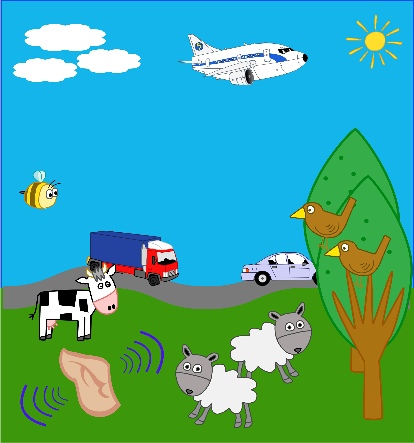
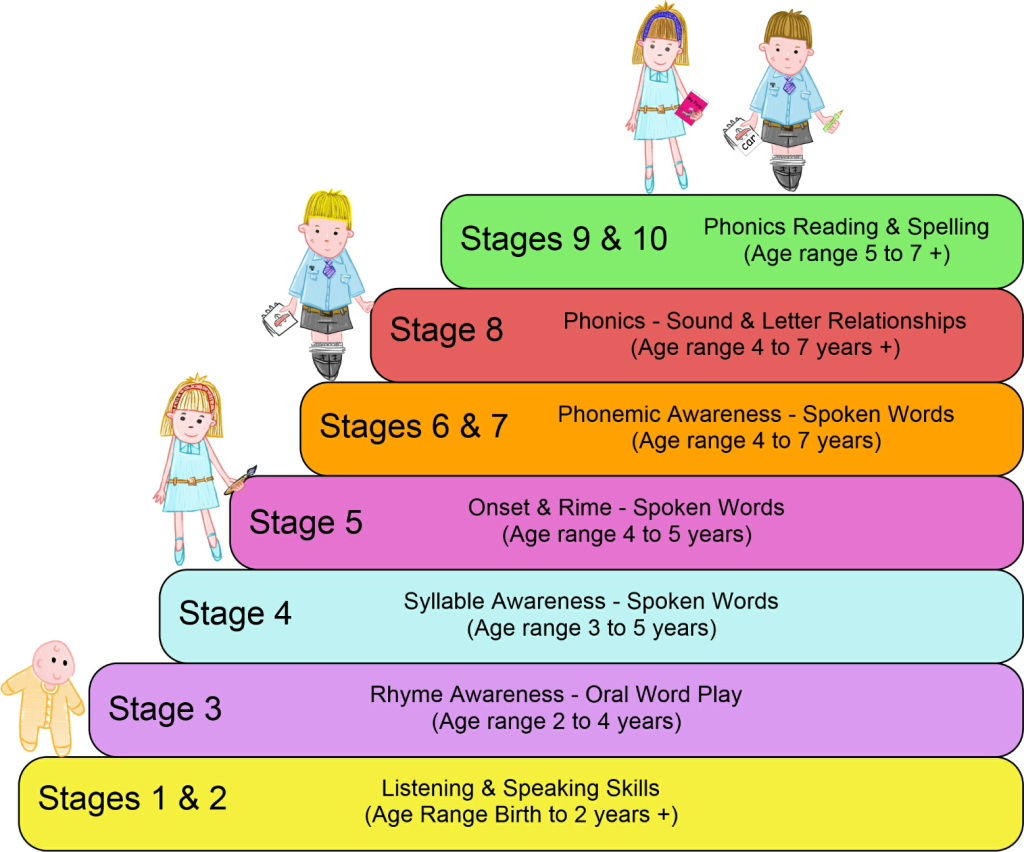
The 7 areas Phase 1 focuses on; what is referred to as the pre-phonics stages 2 to 7 of a child’s phonological awareness development (https://www.teachphonics.co.uk/phonological-development.html):

  1. Environmental Sound Discrimination
  2. Instrumental Sound Discrimination
  3. Body Percussion Sound Discrimination
  4. Rhythm and Rhyme
  5. Alliteration
  6. Voice Sounds
  7. Oral Blending and Segmenting

Our 6 weeks blog ‘Speaking and Listening’ series focuses on areas 1 to 4, providing practical games and activities to help build your child’s skills.

Week 1. The Importance of Small Talk – https://teachphonics.blog/2020/01/23/the-importance-of-small-talk-week-1-2/

Week 2. Conversational Turn Taking Skills – https://teachphonics.blog/2019/06/20/conversational-turn-taking-skills-part-2/

Week 3. What is Listening? https://teachphonics.blog/2020/02/06/what-is-listening-part-3-2/

Week 4. Games to Develop Listening Skills – Sound Screen Games https://teachphonics.blog/2020/02/13/sound-screen-barrier-games-part-4-2/

Week 5. Games to Develop Listening Skills – Sound Scanning Games https://teachphonics.blog/2020/02/20/sound-scanning-games-to-develop-listening-skills-part-5-2/

Week 6. Games to develop Listening Skills – Music Fun https://teachphonics.blog/2020/02/27/games-to-develop-listening-skills-part-6-2/

Developing and Supporting Your Child’s Reading Journey – Week 5

Narrative Skills to Support the Understanding of Different Writing Styles

narrative 1

Narrative skills are based on understanding and using expressive language. This is the kind of language we use to describe things and feelings, to tell events in order and to recall and tell stories.

Children develop their narrative skills over time taking prior knowledge, what they already know, and building on this through:

  • Conceptual thinking; the development of concepts such as shape, colour, the passing of time; as well as developing and using strategies for problem solving and prediction (thinking skills).
  • Content knowledge; what they already know about the topic/situation; the ability to relate situations to their own experiences, the ability to sequence events in a logical order as well as to sequence processes such as getting dressed or making things.
  • Understanding that different genres are set out in different ways, story structure such as that used in fairy tales is different from that used for poetry or informational text (explaining things) or instructional text (how to do something) such as a recipe.

Developing Narrative Skills:

Through Play:

  • Role play different situations; doctor’s, school, office, shops etc.
  • Dramatic and imaginative play; acting out stories together using props and/or puppets and toys.
  • Matching and sorting games to develop understanding of concepts such as colour, shape and size.
  • Puzzles for developing problem solving skills.

Through Drawing/Writing:

  • Ask your child to draw pictures for a story and you write the words
  • Ask your child to draw or write (make mind maps) of the things they already know about something.
  • Ask them to draw different shapes in different sizes and to use specific colours for them.
  • With older children make and draw charts and graphs for classifying objects.

Through Songs/Nursery Rhymes:

Children’s songs and nursery rhymes cover a wide range of concepts:

  • Everyday sequences such as in the nursery rhyme ‘Here we go Round the Mulberry Bush’ which uses the phrase ‘This is the way we…’ to order the event of getting up in the morning.
  • Introduce concepts such as size, colours, shapes and numbers such as “One, two, three, four, five once I caught a fish alive…”
  • Tell stories for example ‘Baa Baa Black Sheep’ or ‘We’re going on a Bear Hunt’ by Michael Rosen & Helen Oxenbury.

Through Talk:

  • As your child explores objects, describe them and their uses; compare and contrast objects.
  • Remember to give your child time to work things out, or to solve a problem. It can take a child several minutes sometimes to process what they have heard and to formulate a response.
  • Talk about concepts such as shape, colour, size, texture.
  • Explain and use language that explains where things are in relation to each other (spatial awareness) such as above, below, on top of, next to, first, etc.
  • Help your child to develop an awareness of time, not just the here and now but what happened in the past and might happen in the future.
  • Put processes into sequence using things like recipes, making things or how plants grow, the passing of time, weeks, months, seasons etc.
  • Encourage your child to recount their day or to re-tell a story.
  • Encourage your child to tell you what they know about something as well as sharing what you know.
  • When sharing information explain how you learned about it; read it in a book or on the internet or heard it on the TV or radio.
  • Encourage your child to guess and predict what might happen.
  • Encourage your child to solve problems or resolve conflicts; if you do it for them explain what you did and why.
  • Embed conversation into everyday routines such as getting dressed, meal times and bed time.

Through Book Sharing:

What books to choose?

  • Books that tell a cumulative tale
  • Books with a natural sequence
  • Books with a repeated phrase or repetition as part of the story
  • Poetry books
  • Non-fiction books

Book Sharing Tips

  • Read books on topics that interest your child.
  • Ask your child to tell you what they know about the book you are reading.
  • Encourage your child to join in while sharing a book, saying repeated phrases for example.
  • Read with expression.
  • Encourage your child to re-tell the story.
  • Re-read books so that your child can become familiar with the story, making it easier to re-tell the story.
  • Relate what is happening in the story to your own child’s experiences or ask then to tell you how it might relate to them.
  • Use props to tell the story to help your child remember the sequence of the story. They may find using props a great way to re-tell you the story.
  • Encourage your child to talk about the pictures. Take their lead and try to ask open-ended question (those that cannot be answered by yes or no).
  • Talk about the books you like and what you like about them.
  • If your child loses interest, try again another time.
  • Talk about the pictures in a book or sections of a story and let your child tell you their thoughts about what is happening and might happen next.