There has been a lot in the press recently about the changes the Government are looking to make to the Early Years curriculum, such as a greater influence on teaching phonics, reading and maths skills (Ofsted’s Bold Beginnings Report). It feels as if they are pushing quite advanced skill sets down in to the Early Years. This seems to be going against the ethos of other countries that are often quoted to us as having exemplary Early Years curriculums. These are using and developing more play structured curriculum approaches; such as Finland (children start school at 7 years old).
We are always being shown how important play is in the development of young animals’ survival and hunting skills. How many times have you thought how cute or lovely when watching kittens, puppies or polar bears playing.
Humans are also animals which thrive and develop through play; in fact play is so important the United Nations High Commission for Human Rights state it as a right for every child (Ginsburg, 2013).
Here at Teach Children we see play as a vital part of a child’s physical, emotional, social and intellectual growth and well-being.
There has been considerable research over the years on play, which supports our point of view, with the consensus being that children need to experience five different types of play. These five types of play are roughly based on the developmental opportunities they provide, especially if it is child driven rather than adult lead:
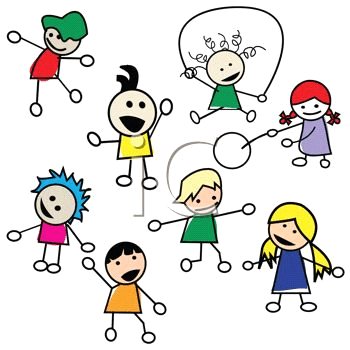
Physical Play – active exercise (running, jumping, skipping etc..), rough & tumble and fine motor skills activities to develop whole body and hand and eye co-ordination strength and endurance. The outdoor element of such play develops independence, resourcefulness and self-regulation while the fine motor skills activities support the development of concentration and perseverance.
Play with Objects – starts as soon as a child can grasp and hold an object; mouthing, biting, turning, stroking, hitting and dropping. It’s how we all learn through the exploration of our senses (sensory-motor play). This type of play develops our abilities to; physically manipulate items, think, reason and problem solve, to set challenges and goals as well as to monitor our own progress.
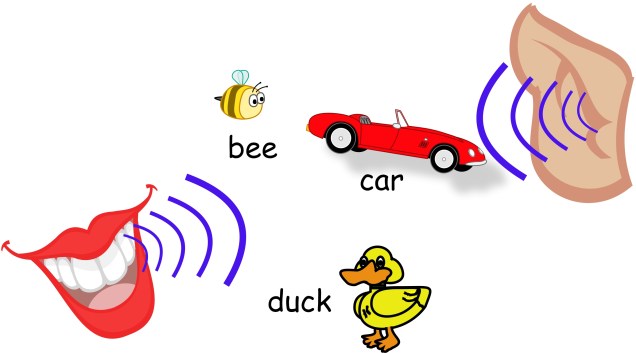
Symbolic Play – refers to the development of spoken language, visual symbols such as letters and numbers, music, painting, drawing and other media used for communication of thought and ideas. This type of play allows children to develop the abilities to express and reflect on experience, ideas and emotions. Sound and language play develops phonological awareness required for literacy, while number play that relates to real life situations supports numeracy skills.
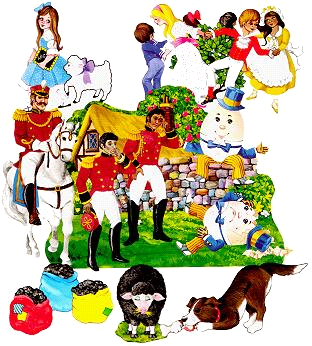
Pretence/socio-dramatic Play – Pretend play provides the opportunity to develop cognitive, social, self-regulatory and academic skills. This kind of play means children have to learn and pick up on unspoken rules of interaction, taking on the role of a character and playing within the expected confines of that role.
Games with Rules – physical games such as chase, hide & seek, sport, board and computer games. Develop social skills and the emotional skills of taking turns, winning and losing as well as other people’s perspectives.
(Dr.D Whitebread, 2012)
Here are some articles from home and around the world I thought you may find interesting that support and highlight the importance of play in learning:
Bibliography
Kenneth R. Ginsburg, MD, MSEd, 25/07/2013; ‘The Importance of Play in Promoting Healthy Child Development and Maintaining Strong Parent-Child Bonds’: THE AMERICAN ACADEMY OF PEDIATRICS: http://pediatrics.aappublications.org/content/119/1/182.full
Dr.D. Whitebread, April 2012: ‘The Importance of Play’; Commissioned for the Toy Industries of Europe: http://www.importanceofplay.eu/IMG/pdf/dr_david_whitebread_-_the_importance_of_play.pdf